
Installation Methods of Transparent LED Screen
Transparent LED screens offer a modern, high-tech solution for digital signage, retail displays, exhibitions, and architectural applications. The installation method you choose affects both visual impact and structural safety. Here are the common installation methods:
Adhesive Mounting
Transparent LED screens can be directly adhered to glass surfaces. This method preserves the transparency of the glass while providing a high-definition digital display. Adhesive mounting is ideal for storefronts, offices, and glass partitions, allowing content to be visible without obstructing light or sightlines.
Vertical (Floor-Standing) Installation
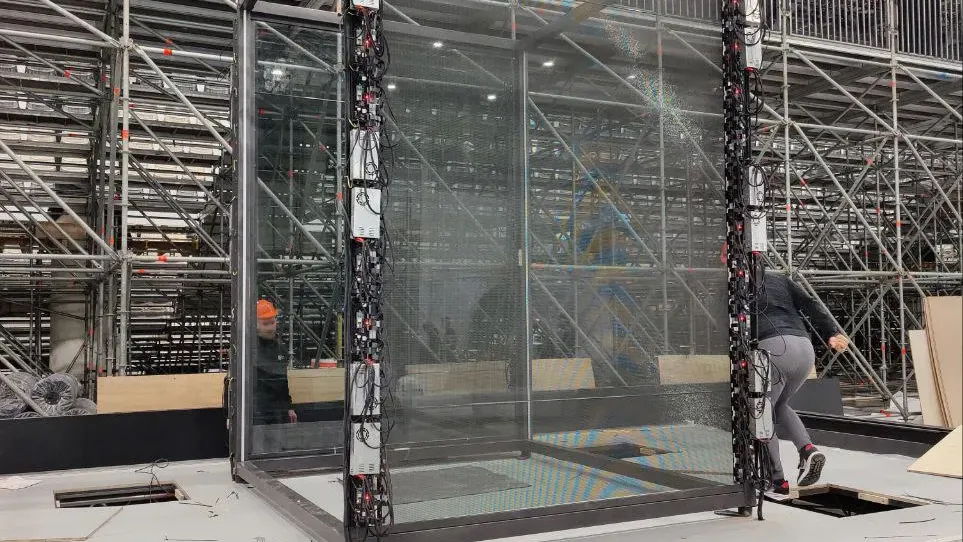
Floor-standing or vertical installation allows all-in-one units to be placed on the ground. This method is convenient for pedestrian areas, showrooms, and public spaces, ensuring content is displayed at optimal viewing height.
Suspended Installation
Suspended installation involves hanging the LED screen from ceilings or support structures. This method is suitable for large venues, exhibitions, trade shows, concerts, and other events that require high visibility and audience engagement.
Modular Installation
Modular installation allows screens to be assembled and disassembled like building blocks. This method provides flexibility for transportation and setup, making it ideal for temporary events, stage displays, and locations with frequently changing layouts.
Choosing the Right Installation Method
When selecting an installation method, consider:
- Venue characteristics and available space
- Screen weight, dimensions, and load capacity
- Safety requirements and compliance with regulations
- Project design, aesthetics, and visual impact
Following the installation guidelines provided by Muxwave ensures optimal performance and long-term durability of your transparent LED or holographic invisible screen.


