
Introduction: Why Understanding Transparent LED Screen Price Matters
Transparent LED screens are transforming modern display applications by combining high visual impact with glass-like transparency. They are widely used in retail storefronts, architectural facades, corporate spaces, and exhibition environments.
As global demand continues to grow, understanding transparent LED screen price, cost structure, and purchasing strategy is essential for business owners, project managers, and system integrators.
At Muxwave, we are a vertically integrated manufacturer covering IC design, LED packaging, and full display production. This allows us to provide accurate pricing insights and reliable solutions for commercial projects.
Transparent LED Screen Price in 2026
The transparent LED screen price in 2026 varies significantly depending on specifications, customization level, and application requirements.
Average Market Price
- Standard transparent LED screens: $4,500–$6,000 per m²
- High-end customized transparent LED displays: up to $13,000 per m²
Over the past few years, prices have decreased by approximately 8%–12% annually due to technological advancements and increased competition. However, large variations still exist depending on project complexity and performance requirements.
What Affects Transparent LED Screen Cost?
Understanding the key cost drivers will help you choose the right solution and avoid unnecessary expenses.
Pixel Pitch and Image Clarity
Pixel pitch refers to the distance between LED pixels, measured in millimeters (e.g., P2, P4, P10). A smaller pixel pitch results in higher resolution and better image clarity, but also increases cost.
- Small pixel pitch (≤2.5mm): suitable for indoor, close viewing, higher cost
- Medium pixel pitch (P3–P10): suitable for outdoor or long-distance viewing, more cost-effective
Selecting the correct pixel pitch based on viewing distance is critical to optimizing both performance and budget.
Screen Size and Resolution
The total cost increases with screen size and resolution.
- Larger screens require more materials, modules, and installation work
- Higher resolutions (such as 4K) require more LEDs and advanced control systems
Accurate site measurement and requirement planning are essential before purchasing. Over-specifying resolution or size can significantly increase costs without improving practical results.
LED Chip Quality
LED chips directly impact brightness, color consistency, lifespan, and reliability.
- High-quality chips offer better performance and up to 100,000 hours of lifespan
- Lower-quality chips may lead to dead pixels, color inconsistency, and higher maintenance costs
Choosing high-quality LED components ensures long-term stability and reduces total ownership cost.
Control System and Supporting Components
A complete transparent LED display system includes:
- Control system (sending and receiving cards)
- Power supply
- Distribution cabinet
- Signal processing system
Higher-end systems provide better stability and compatibility, especially for large or mission-critical projects. Installation methods, such as fixed installation or rental structure, also influence total cost.
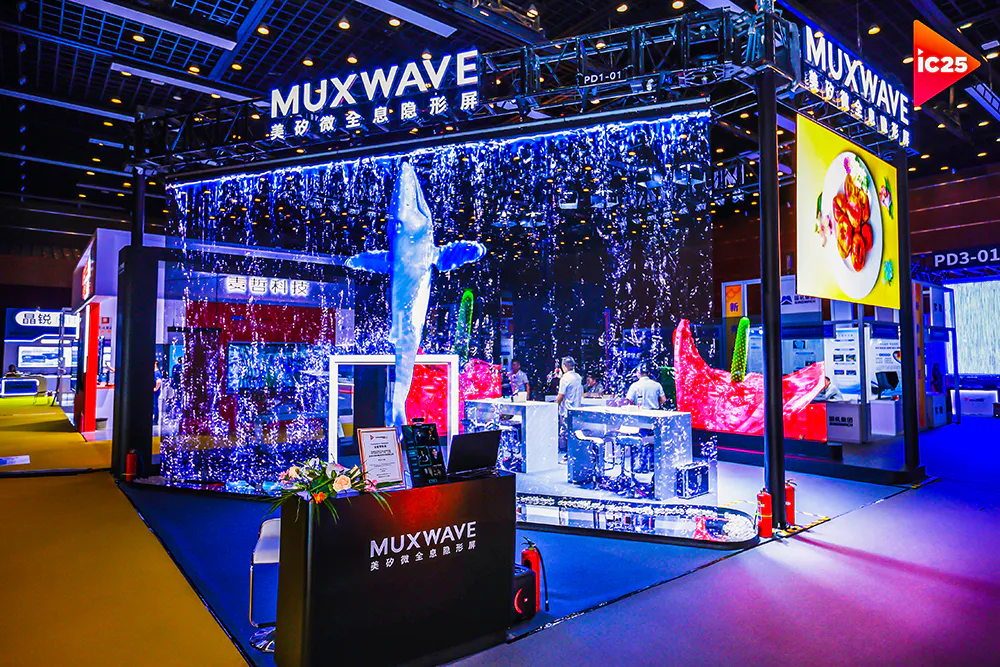
Transparent LED Screen Cost Breakdown
A typical transparent LED display project includes the following cost components:
- LED modules: $200–$500 per module
- Control system: $500–$1,000 per unit
- Structure and frame: $500–$1,000 per m²
- Installation: $100–$300 per m²
- Content and software system: $200–$800
System integration and installation costs often account for 30%–50% of the total investment and should not be overlooked during budgeting.
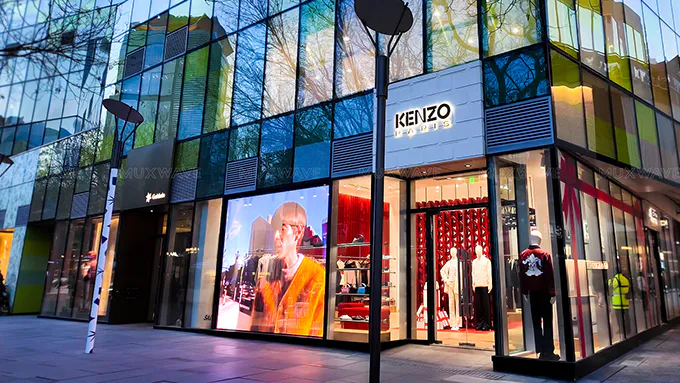
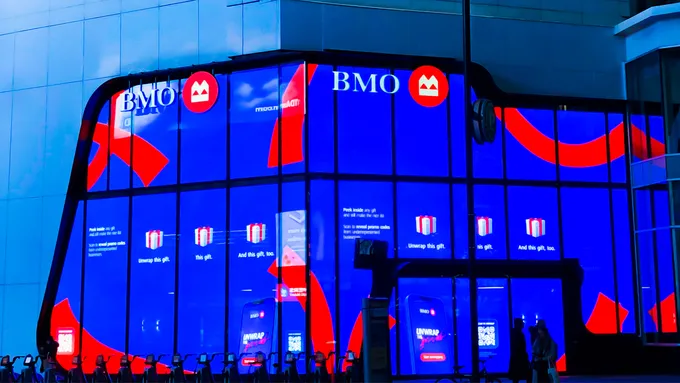
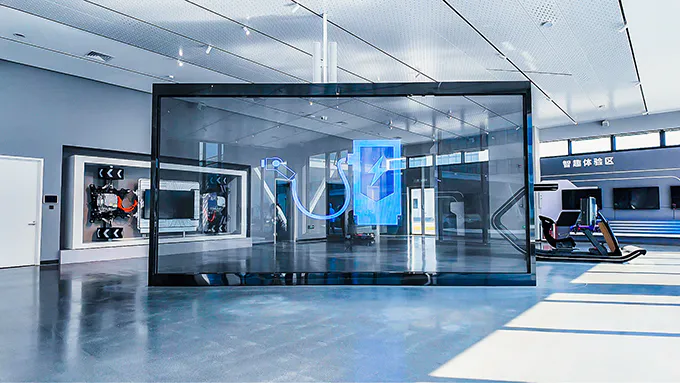
Transparent LED Screen Price by Application
Total Cost of Ownership (TCO)
In addition to initial purchase cost, long-term ownership costs should be considered:
- Energy consumption: 30%–50% lower than traditional LED displays
- Annual maintenance cost: approximately 5%–8%
- Lifespan: up to 100,000 hours
- Content management: lower cost through cloud-based systems
Transparent LED displays should be evaluated as long-term investments rather than one-time purchases.
Why Choose Muxwave as Your Transparent LED Screen Manufacturer
Muxwave offers a fully integrated manufacturing model, ensuring cost efficiency and product consistency.
- Factory-direct pricing with 15%–25% cost savings
- Custom-engineered solutions for different applications
- Automated production for stable quality control
- Global technical support and project assistance
- Advanced products including holographic transparent displays
How to Choose the Right Transparent LED Screen
Identify the main purpose of the display: such as advertising, retail, events, or architectural use. Different scenarios require different specifications.
Set a Realistic Budget: Prices vary based on performance, brand, and customization. A clear budget helps narrow down suitable options and avoid overspending.
Choose an Experienced Manufacturer: Select a supplier with proven experience, strong technical capabilities, and reliable after-sales service. Evaluate production capacity and quality control systems before making a decision.
Evaluate Technical Specifications: Check key parameters such as resolution, brightness, contrast ratio, and color performance. High-quality materials and manufacturing processes ensure long-term reliability.
Review After-Sales Support: Ensure the supplier provides:Warranty coverage, Fast maintenance response, Spare parts availability, Technical training and support
Frequently Asked Questions (FAQ)
Request a Quote for Your Project
If you are planning a transparent LED display project, choosing the right solution is critical for both performance and cost control.
- Project-based pricing
- Customized display solutions
- Technical consultation from industry experts
Our team will help you design the most cost-effective and high-performance transparent LED screen for your application.


